Level Overview
Game: Starfield
Editor: Starfield Creation Kit
Genre: Open world, RPG
“Sinner’s Hill” is a single-player side quest for Starfield focusing on environmental puzzles and explosive-driven combat.
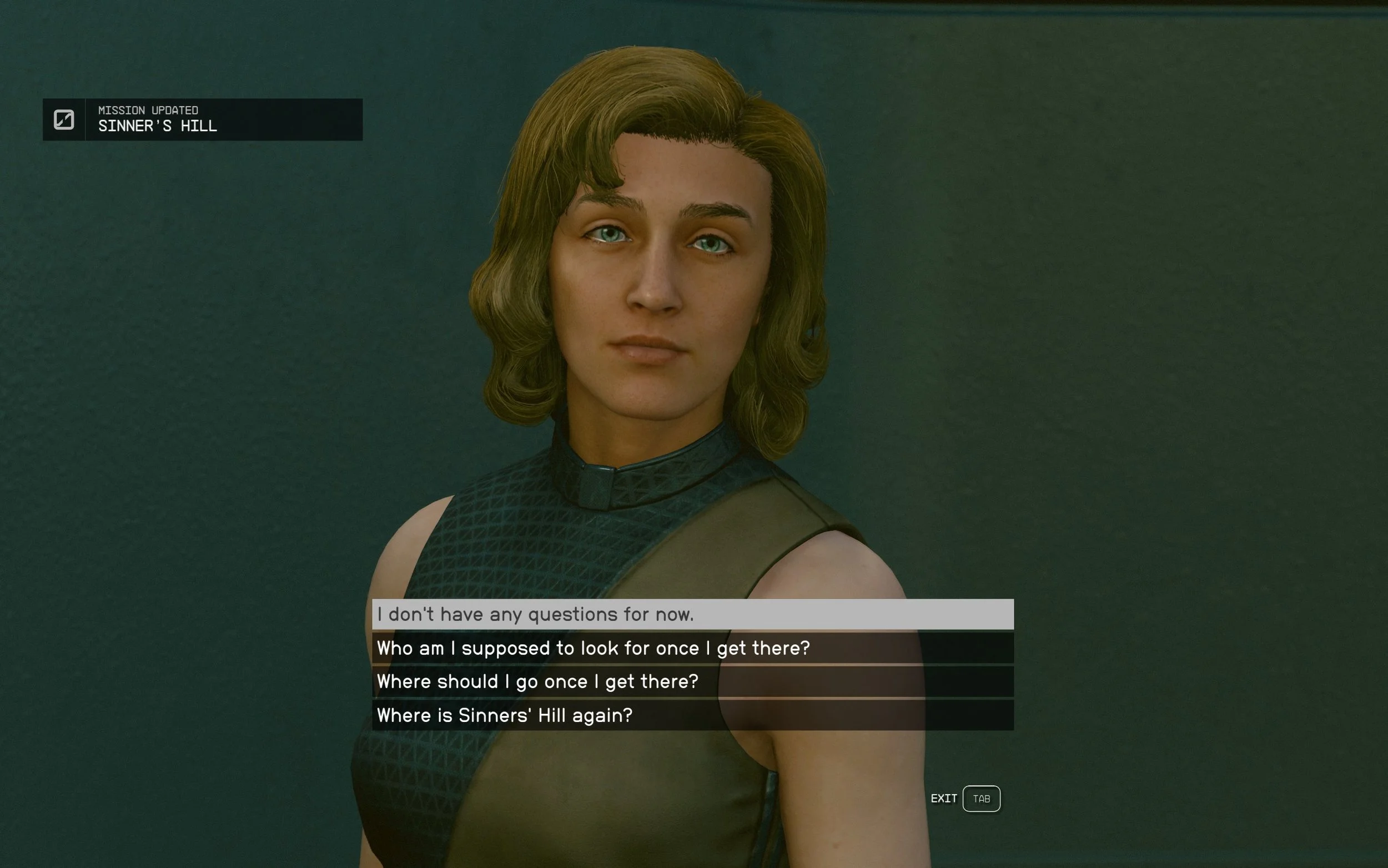
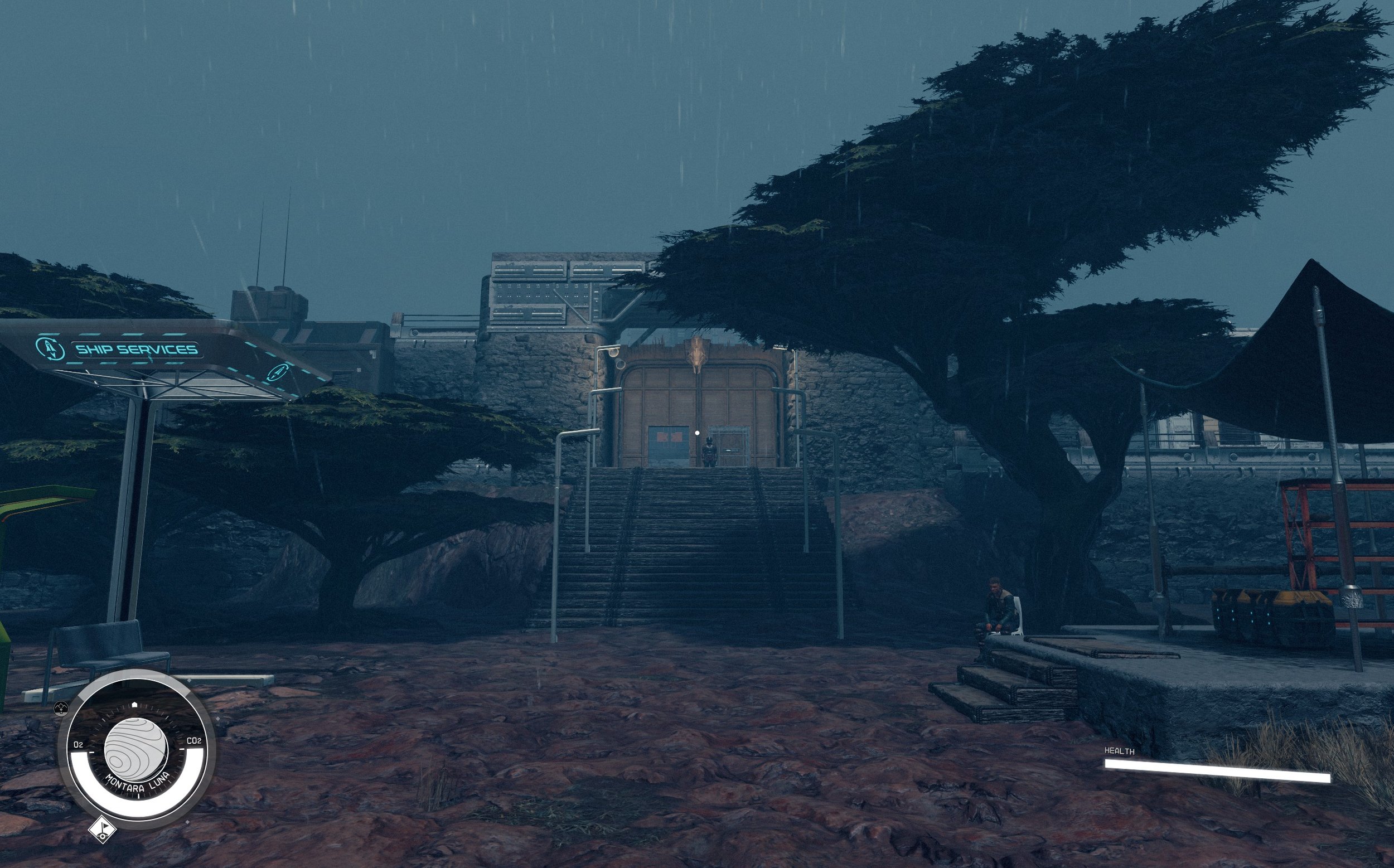
The quest begins in New Atlantis, where the player accepts the quest to capture or kill the infamous pirate Edward Teach. After reaching the settlement, the player discovers that Edward’s supposed haven for redeemed criminals is collapsing because he plans to steal the town’s shared funds and work with the Crimson Fleet again.
The player fights through Edward’s guards, uncovers his motives through his journal, and finally defeats him in his own yard. In the end, the player must choose whether to give Edward a chance at redemption or deliver him to jail.
Gameplay Walkthrough
Design Goals
1. Create an Immersive Bethesda-Style Quest
Combine combat, exploration, dialogue, and environmental storytelling into a cohesive quest experience.
Give players clear objectives while allowing them to investigate the environment at their own pace.
Use NPC conversations, notes, and environmental details to gradually reveal the settlement’s history and central conflict.
Include meaningful narrative choices that influence how the player understands the characters and resolves the quest.
2. Design Environmental Combat Encounters
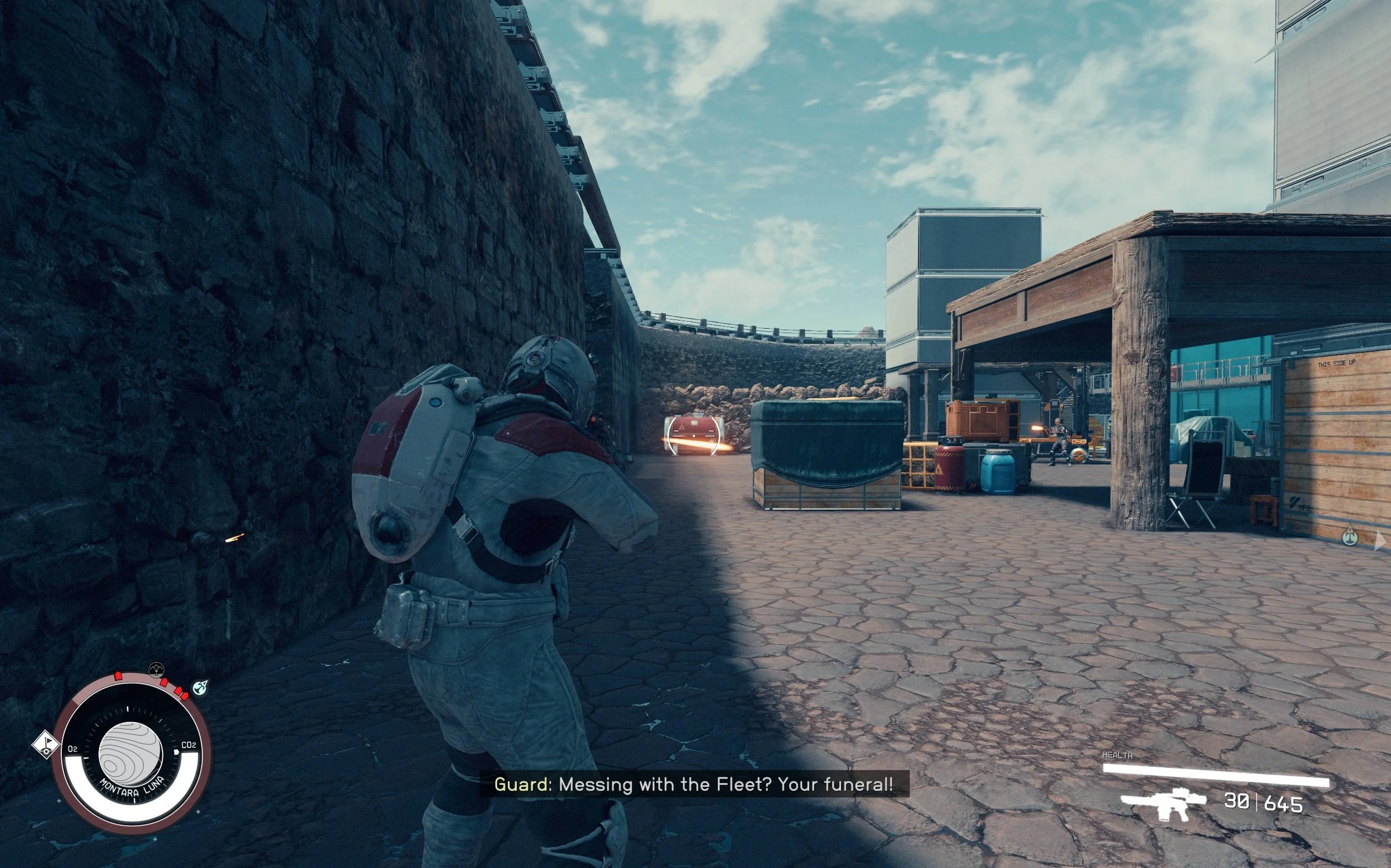
Use explosive barrels, pipes, and destructible objects as tactical tools rather than simple decoration.
Provide alternate routes, elevated positions, and flanking opportunities to support different combat approaches.
Encourage players to observe enemy placement and environmental hazards before entering combat.
Build encounters around controlled sightlines, cover placement, enemy waves, and spatial movement.
3. Build Believable Spaces With Strong Gameplay Flow
Use real-world Western towns, industrial structures, and historical architecture as visual and spatial references.
Give each building and room a believable function within the settlement.
Maintain clear navigation through landmarks, lighting, signage, and environmental composition.
Balance architectural realism with readable routes, controlled pacing, and effective encounter spaces.
Postmortem
What Went Well
Established clear design goals from the beginning, ensuring that each design decision supported both the assignment requirements and the intended gameplay experience.
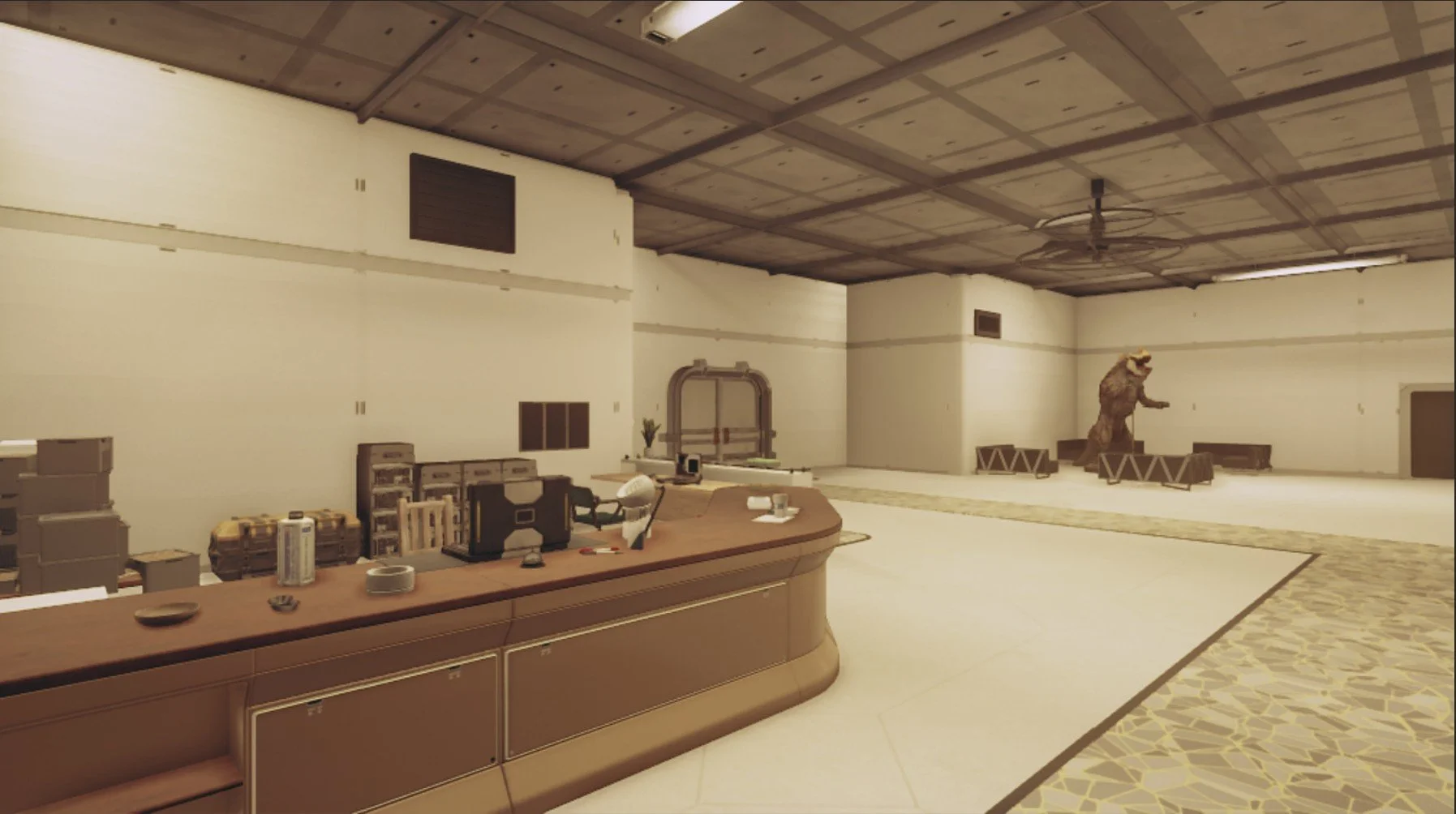
Translated ideas from the LDD into a playable Whitebox layout efficiently.
Integrated explosive barrels as a core gameplay mechanic rather than using them only as decorative props or damage sources.
Created believable architectural spaces by defining clear purposes for the settlement’s major buildings and rooms.
Iterated quickly on feedback related to flow, sightlines, combat, pacing, believability, and layout clarity.
Converted play tester‘s feedback into specific, actionable improvements using the provided feedback template.
What Went Wrong
Relied too heavily on assault-rifle enemies, which limited enemy variety and made some combat encounters feel similar.
Needed more overall polish, especially in lighting, set dressing, and visual landmarks.
Spent significant production time fixing bugs, implementing quest logic, and completing documentation, leaving less time for the final art pass.
Revised the narrative too many times, preventing the final story direction from being established early.
Made some level-design decisions before the narrative was finalized, weakening the connection between gameplay, dialogue, and environmental storytelling.
What I Learned
Learned that completing the core experience on schedule is different from reserving enough time for final polish.
Improved my ability to break feedback into specific changes that could be directly implemented in the level.
Learned to evaluate flow, sightlines, combat, pacing, and layout clarity throughout the iteration process.
Developed a stronger understanding of level-design fundamentals, including readable navigation, effective pacing, clear sightlines, and natural encounter design.
Learned that strong ideas, mechanics, and storytelling still depend on solid fundamentals to create an engaging and enjoyable level.
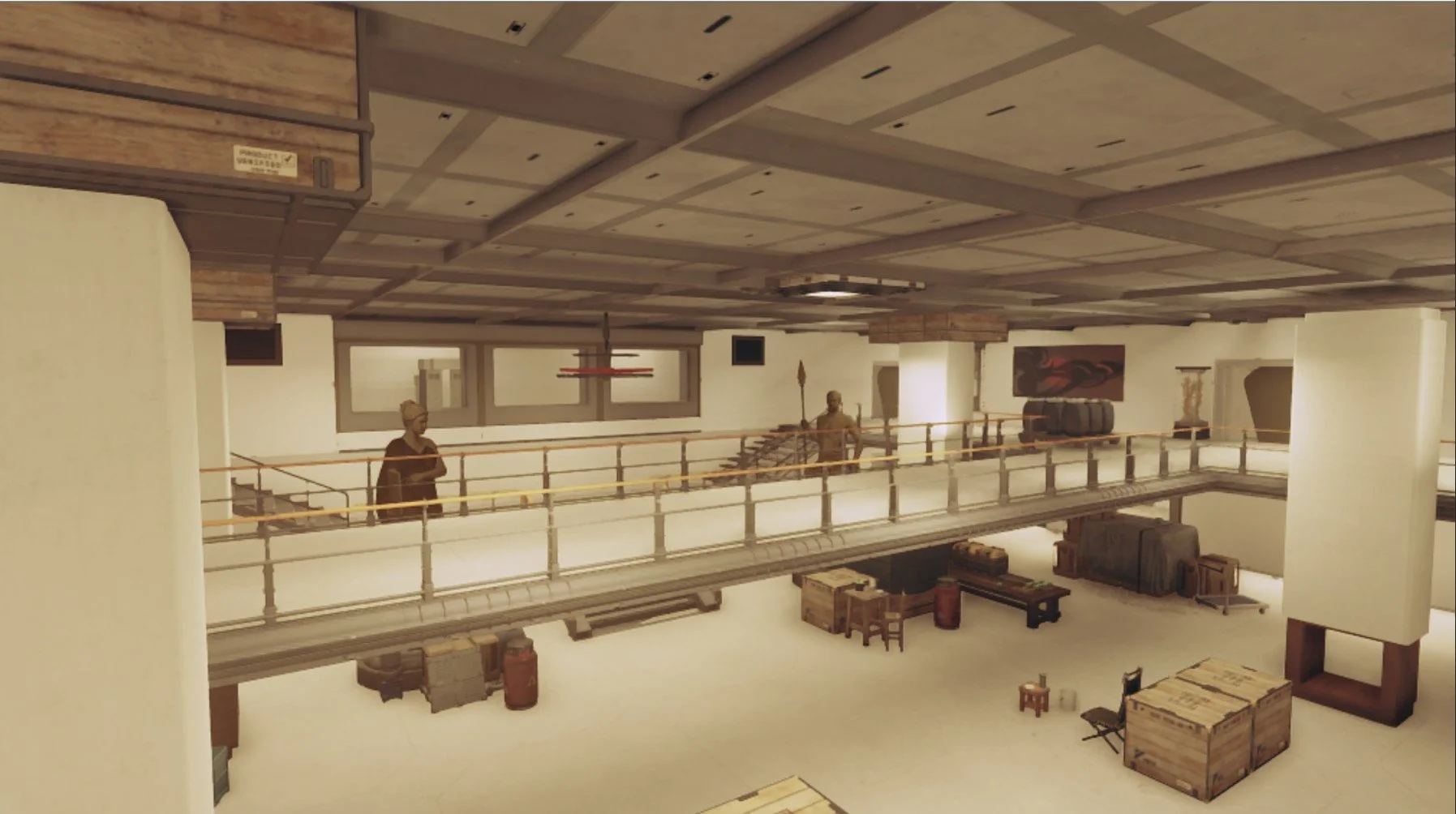
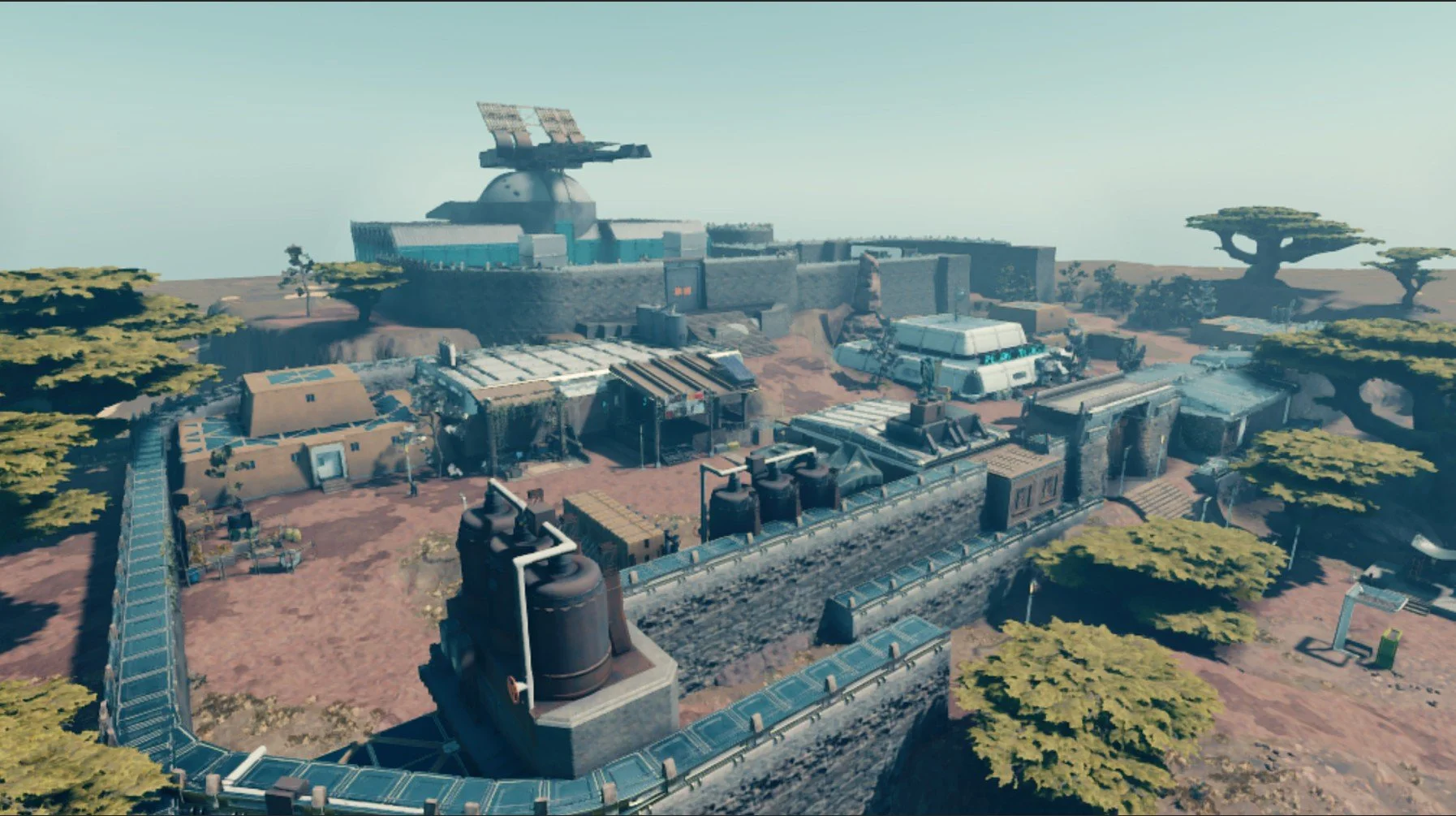
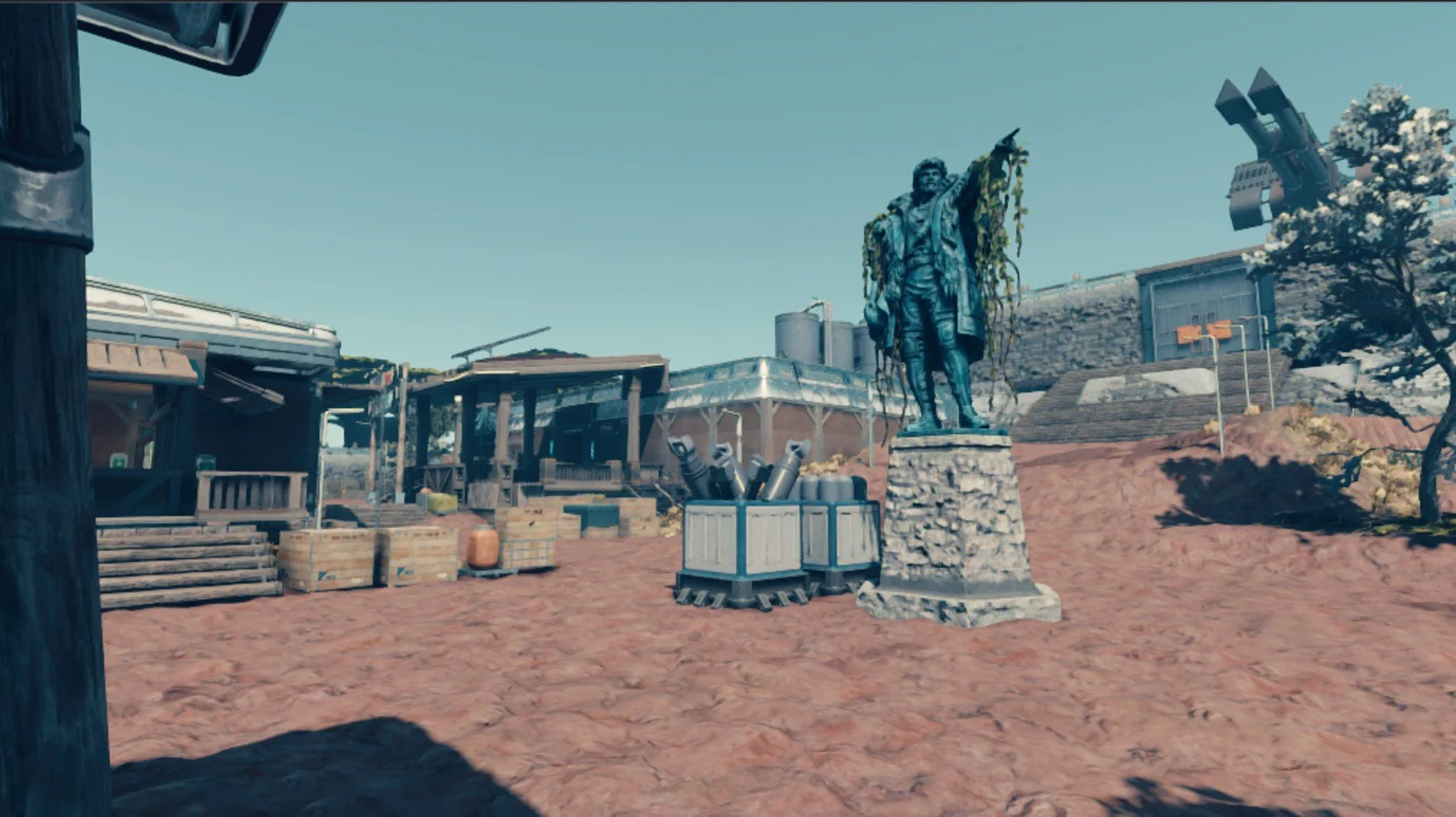
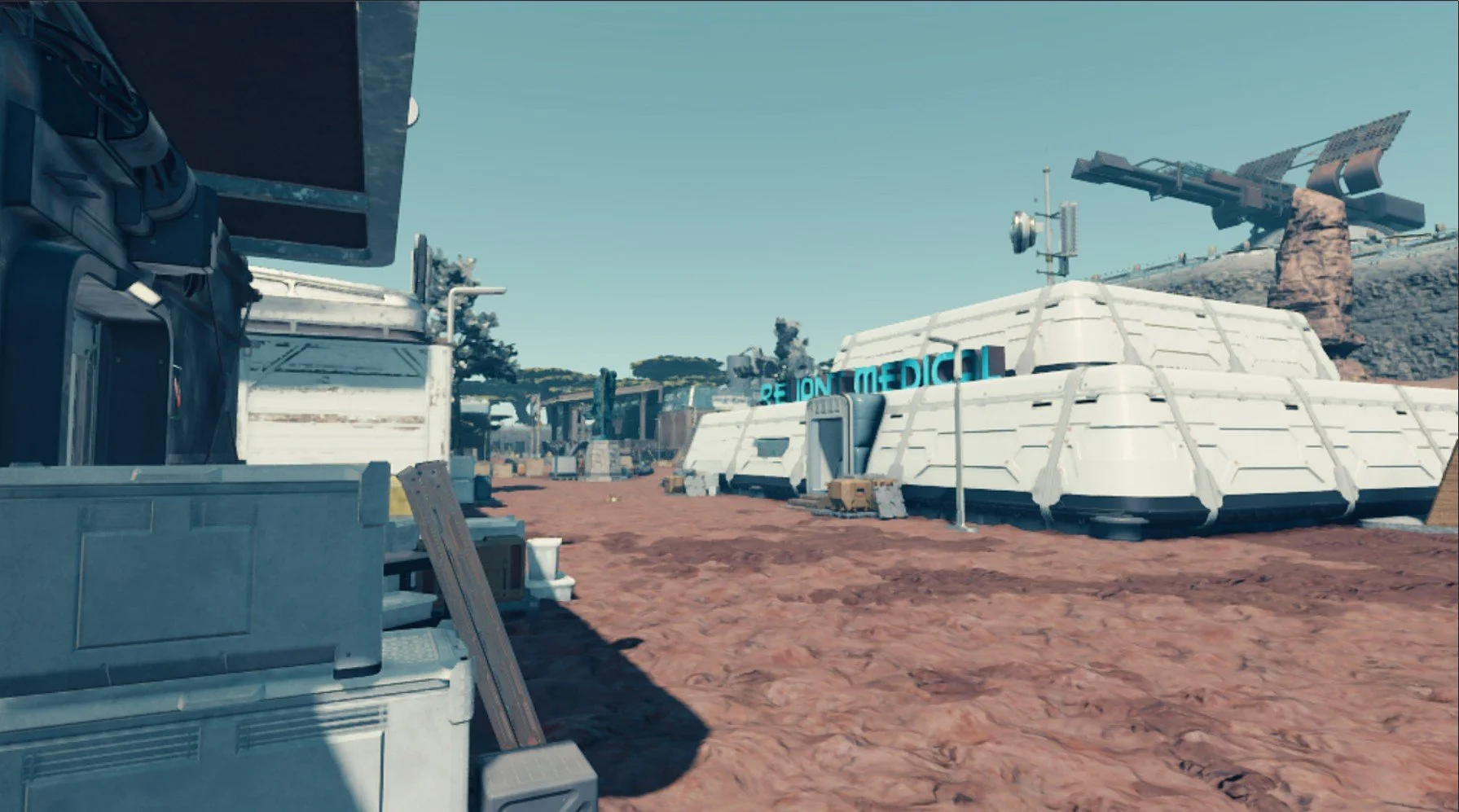
Marketing Screenshots